

The Allure of Gambling Environments
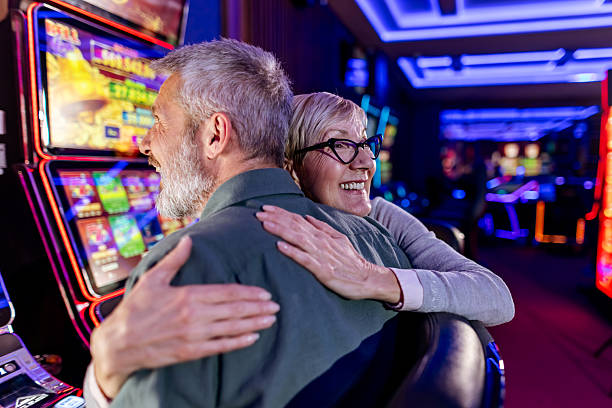
The physical environment of a casino plays a crucial role in attracting and retaining gamblers. The design elements, such as lighting, color schemes, and sound effects, are deliberately chosen to create a stimulating atmosphere. Neon lights and the sounds of slots and table games evoke excitement and anticipation, making visitors feel energized, especially when they consider the allure of ontario online casino fast withdrawal options available. This sensory overload can encourage prolonged engagement and consumption, leading players to stay longer than they initially intended.
Moreover, the layout of the casino is meticulously planned to maximize movement and encourage exploration. By creating a maze-like design, casinos entice players to wander from one game to another, often without a clear sense of time passing. This spatial arrangement exploits the human tendency to explore while enhancing the likelihood of impulsive gambling decisions. This carefully crafted environment ultimately serves to draw players deeper into the gambling experience, often leading them to spend more money.
The psychological impact of the ambiance is not just about overstimulation; it also taps into fundamental aspects of human behavior. Many gamblers experience a natural high from playing games, driven by the thrill of potential wins. The buzz of excitement in a bustling casino can create a sense of belonging and camaraderie among players, further amplifying the overall gambling experience. Consequently, casinos leverage these psychological triggers to ensure that visitors return for more, creating a cycle of attraction and retention.
The Role of Reward Mechanisms
Central to the psychology of gambling is the mechanism of reward. Often, players are motivated by the prospect of winning, which is intricately tied to the concept of reinforcement. Casinos use a variety of strategies to enhance this feeling, including jackpots, bonuses, and loyalty programs. These rewards are not merely financial; they evoke emotional responses that can deepen the experience. The thrill of a near-miss on a slot machine, for instance, can activate the brain’s reward system, reinforcing the behavior of continued play despite potential losses.
The concept of variable reinforcement schedules plays a significant role in why gamblers keep returning to play. Unlike fixed reinforcement, where rewards are predictable, variable reinforcement, where payouts are sporadic, creates a sense of uncertainty that can be intoxicating. This unpredictability makes players more likely to chase losses, as they hope for that elusive big win that could change everything. Such a psychological state can lead to compulsive gambling behaviors, as individuals may continue playing well beyond their means in pursuit of further rewards.
Cognitive biases also influence how gamblers perceive wins and losses. The illusion of control is a common phenomenon where players believe they can influence outcomes through their actions. For example, someone may feel that they can affect the result of a dice roll or a card shuffle, leading to overconfidence and increased bets. This cognitive distortion can have severe implications, as it often shields players from the reality of their losses and perpetuates their gambling behaviors.
The Impact of Emotional State on Gambling Behavior
Emotions significantly influence gambling decisions, with many players turning to casinos as a means of escapism. In times of stress, anxiety, or depression, individuals may seek out the thrill of gambling as a way to distract themselves from their problems. The adrenaline rush associated with high-stakes games can offer temporary relief from negative emotions, reinforcing the cycle of gambling as a coping mechanism. While this might provide short-term relief, it can lead to a long-term dependency on gambling for emotional regulation.
Conversely, euphoric emotions can also play a role in gambling behavior. When players are in a good mood, they may feel invincible and more willing to take risks, leading to larger bets and increased gambling frequency. The surge of positive emotions linked to winning can create a feedback loop that encourages further play, often without fully considering the consequences. This connection between mood and gambling behavior highlights the delicate interplay of psychology and risk taking, making it paramount for players to be aware of their emotional triggers.
The social aspect of gambling can further affect a player’s emotional state. Many people enjoy the camaraderie of playing in a group, which can amplify both positive and negative emotions. Social interaction often heightens excitement, as players cheer for wins and commiserate over losses together. However, this dynamic can also lead to groupthink, where individuals feel pressured to keep playing even when they would prefer to stop. The emotional highs and lows experienced within a social gambling environment can significantly shape gambling behavior and outcomes.
The Risk of Behavioral Addiction
Gambling can lead to addictive behaviors, and the psychological underpinnings of such dependencies are complex and multifaceted. Behavioral addiction is characterized by the compulsive engagement in an activity despite harmful consequences. For many, the thrill of gambling can quickly escalate into a detrimental habit that impacts personal relationships, financial stability, and mental health. Understanding the psychological mechanisms behind gambling addiction is crucial for developing effective prevention and treatment strategies.

The overlap between gambling and other forms of addiction, such as substance abuse, highlights the significant role of neurotransmitters like dopamine in the brain’s reward pathways. When individuals engage in gambling, they experience a surge of dopamine, reinforcing the decision to continue gambling. Over time, this can lead to tolerance, where increased amounts of gambling are needed to achieve the same level of satisfaction, ultimately creating a cycle that is difficult to break. This understanding underscores the need for awareness and education regarding the risks of gambling.
Addressing gambling addiction requires support and intervention on multiple levels, including individual counseling, community support groups, and effective public policy. The stigma surrounding gambling addiction can hinder individuals from seeking help, making it vital to promote greater awareness and understanding of the issue. By recognizing gambling addiction as a serious mental health concern, society can foster an environment that encourages individuals to seek help and ultimately recover from their addiction.
Exploring responsible gaming and resources
Responsible gaming is essential for creating a sustainable gambling environment where individuals can enjoy gaming without falling into harmful patterns. Education around responsible gambling practices can empower individuals to make informed decisions about their gaming habits. Many casinos now offer features like self-exclusion programs, deposit limits, and time-out periods to encourage players to engage in safer gambling practices. These measures help promote a healthy relationship with gambling and reduce the risk of addiction.
Numerous resources are available for those seeking help with gambling issues. Organizations dedicated to providing support and education can offer guidance to individuals struggling with their gambling habits, as well as their families. These resources play a crucial role in raising awareness about the risks associated with gambling and promoting healthy gaming behaviors. By fostering a community of understanding and support, those impacted by gambling can find the assistance they need.
The website aims to raise awareness about the psychological aspects of gambling and the importance of responsible gaming. By offering informative articles, resources, and community support, it seeks to provide valuable insights and assist individuals in recognizing the signs of problem gambling. By understanding the intricate psychology behind gambling behaviors, players can make more informed choices and enjoy gaming as a form of entertainment rather than as an escape from reality.